
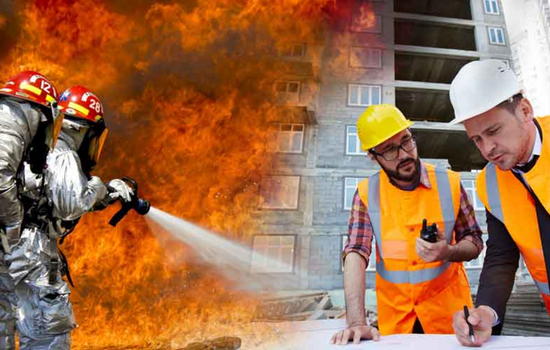
Diploma in Fire and Industrial Safety Engineering

This one year program combines essential fire safety knowledge with practical industrial safety engineering concepts, creating a balanced learning path for students who wish to enter safety departments across manufacturing units, construction sites, warehouses, and large industrial organisations. The course provides a technical understanding of fire behavior, workplace hazards, engineering controls, and emergency management systems. The two semester structure helps learners move from fundamental safety principles to applied engineering practices that support safe and efficient industrial operations.
Course Highlights
-
Fundamentals of Fire Science and Combustion
This section introduces fire chemistry, ignition sources, classes of fire, heat transfer, and the behavior of fire in different environments. Students learn how scientific principles guide preventive and protective measures. -
Industrial Safety Engineering Principles
This part explores accident causation, hazard identification, risk analysis, and engineering controls that improve workplace safety. It highlights the use of safety devices, machine guarding, and systematic safety planning. -
Fire Prevention Techniques and Protection Systems
Learners study fire detection equipment, extinguishing agents, sprinkler networks, hydrant systems, and alarm technologies. The module also explains inspection procedures, safety audits, and preventive maintenance methods. -
Electrical, Mechanical, and Chemical Safety Practices
This module focuses on industrial hazards such as electrical faults, moving machinery risks, chemical exposure, and storage safety. Students understand how engineering controls and proper procedures help prevent accidents. -
Emergency Response Planning and Evacuation Management
This section explains emergency communication systems, evacuation routes, incident control strategies, and rescue operations. Practical drills allow learners to practice calm and coordinated response methods. -
Occupational Health and Workplace Hygiene
Students explore health monitoring, ergonomic practices, exposure limits, noise and vibration control, and hygiene measures that support long term worker wellbeing in industrial environments. -
Environmental Safety and Pollution Control
This part covers waste handling, spill management, emission control, and sustainable practices. It teaches how industries can reduce environmental impact while maintaining compliance with safety norms. -
First Aid and Basic Life Saving Techniques
Learners develop essential first aid skills used during burns, fractures, electric shock, and other common workplace injuries. These abilities support quick and effective action during emergencies.
Outcome of the Program
After completing the diploma, students gain the technical and practical skills needed for roles such as safety assistant, junior safety engineer, fire technician, industrial safety supervisor, or emergency response support staff. They become capable of identifying hazards, implementing engineering controls, conducting inspections, and supporting organisations in building safe working environments. The program prepares graduates for industries that value skilled safety professionals who can protect personnel, equipment, and property.
Want to submit a review? Login