
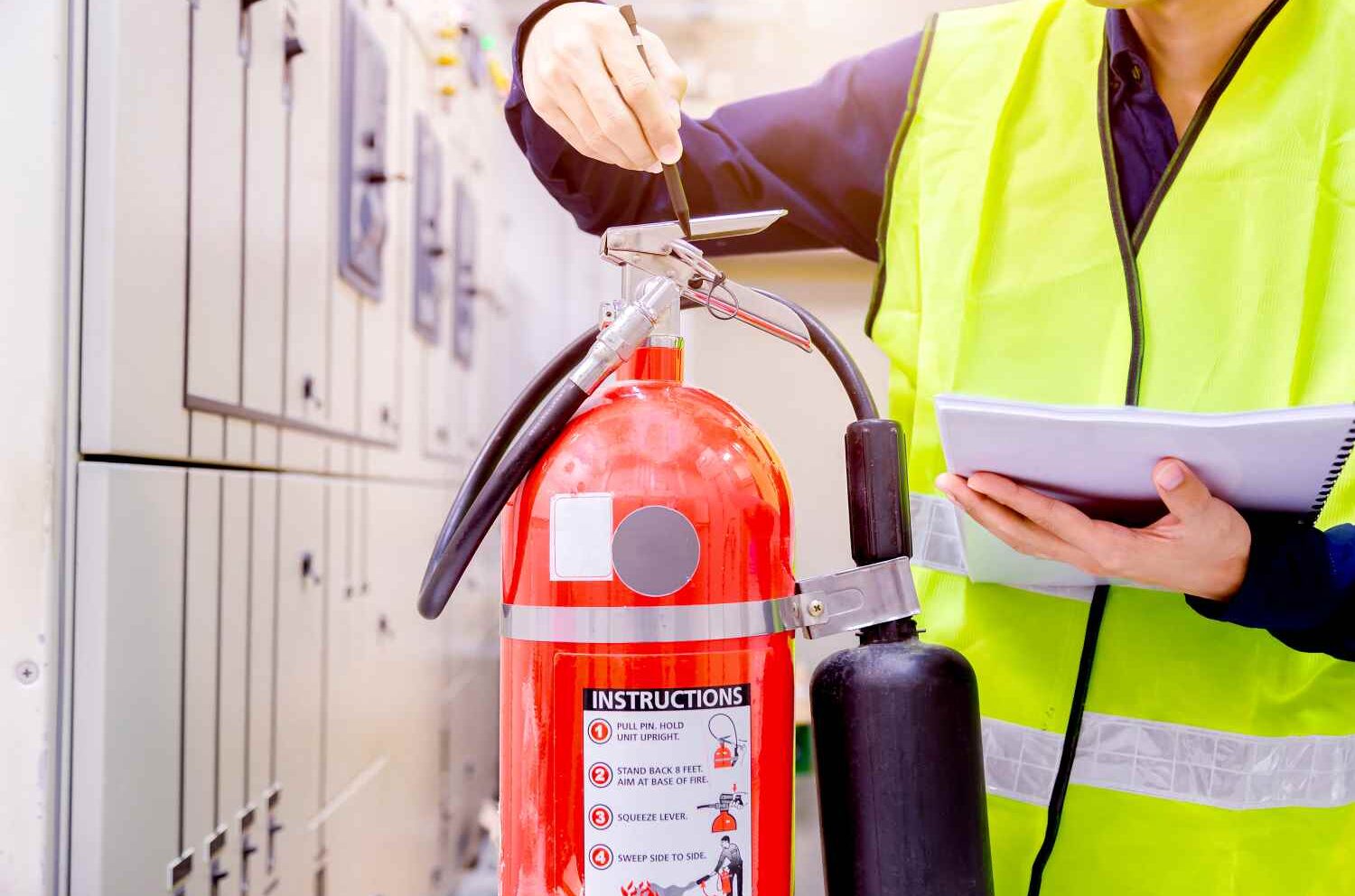
Advance Diploma in Fire and Safety Management

This one year program offers an in depth study of modern fire safety practices, emergency management systems, and advanced risk control methods. It is designed for learners who want to develop strong professional competence in handling fire emergencies, planning safety strategies, and ensuring protection measures in industrial, commercial, and public environments. The two semester structure allows students to progress from core fire science concepts to advanced firefighting technologies and safety management techniques that are essential for higher responsibility roles.
Course Highlights
-
Advanced Principles of Fire Science and Combustion
This section explains fire behavior in complex settings, heat transfer mechanisms, ignition sources, and material reactions. Students understand how scientific analysis supports effective fire prevention and response planning. -
Firefighting Systems, Equipment, and Fixed Installations
Learners study hydrant networks, sprinkler systems, fire pumps, detectors, suppression agents, and modern firefighting tools. The module also covers installation standards, operational procedures, and routine maintenance practices. -
Fire Prevention Practices and Safety Planning
This component teaches policy development, hazard identification, fire load assessment, and workplace inspection methods. Students learn how preventive strategies reduce risks and strengthen overall safety performance. -
Industrial Fire Protection and High Risk Area Safety
The module examines fire hazards in industries such as oil and gas, chemical plants, power stations, and manufacturing units. It highlights control measures, isolation techniques, and monitoring systems used in high risk environments. -
Emergency Response, Rescue Operations, and Disaster Preparedness
This part guides learners through emergency command structures, evacuation planning, rescue methods, and coordination with response agencies. Simulated drills help students apply learned techniques under realistic conditions. -
Occupational Health, Safety Laws, and Compliance Standards
Students review safety legislation, statutory requirements, and legal obligations related to fire and workplace safety. They learn documentation methods, permit systems, and audit procedures that ensure legal compliance. -
First Aid, Trauma Care, and Basic Life Support
The programme includes essential medical response training such as handling burns, fractures, shock, and respiratory emergencies. These skills help stabilize victims until professional medical teams arrive. -
Environmental Safety and Hazard Management
This section explains chemical handling, spill control measures, waste management, and environmental protection practices. It supports the development of safe working cultures that protect both people and surroundings.
Outcome of the Program
After completing the one year advanced diploma, students gain the expertise required for roles such as fire safety officer, emergency response coordinator, fire inspector, safety supervisor, or rescue technician. The program strengthens analytical thinking, decision making ability, and practical skills that are vital for protecting life and property during emergencies. Graduates become capable of designing safety plans, leading response teams, and supporting organizations in maintaining reliable fire and safety standards.
Want to submit a review? Login