
Diploma in Oil and Gas Safety

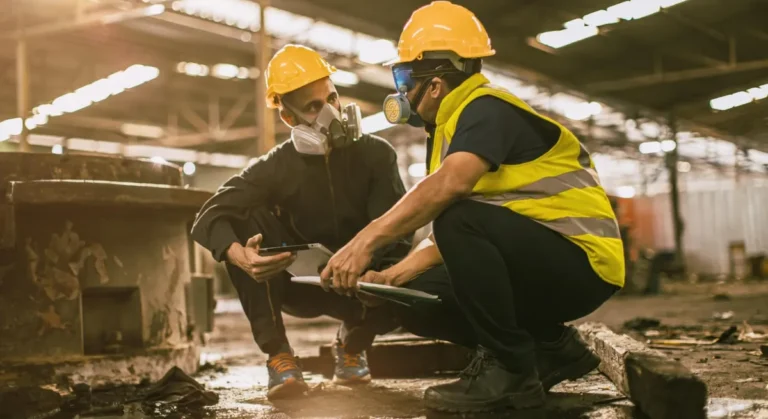
This specialized one year program is designed for learners who want to build strong safety knowledge for the oil and gas sector, which is known for its complex operations and high risk work environments. The course provides a detailed understanding of safety practices used in exploration sites, drilling platforms, refineries, petrochemical plants, and storage facilities. The two semester structure gradually develops the learner’s skills from basic industry awareness to advanced hazard management methods used in large scale oil and gas operations.
Course Highlights
-
Introduction to the Oil and Gas Industry
This section gives learners a clear understanding of upstream, midstream, and downstream operations. It explains how exploration, drilling, transportation, and refining activities function and why strong safety systems are essential. -
Oil and Gas Hazard Identification and Risk Assessment
Students study major hazards such as flammable gases, high pressure systems, confined spaces, chemical exposure, and equipment failure. The module teaches techniques for risk prediction, evaluation, and application of proper control measures. -
Process Safety Management and Safety Engineering
This part focuses on process control systems, safety instrumentation, emergency shutdown systems, and engineering methods used to reduce industrial risks. It highlights how structured safety planning supports safe operations at all stages. -
Fire and Explosion Safety in Oil and Gas Facilities
Learners explore causes of fires, vapor cloud explosions, BLEVE hazards, ignition sources, and fire protection systems used in refineries and offshore platforms. Practical understanding of extinguishing agents and advanced firefighting tools is emphasized. -
Electrical, Mechanical, and Chemical Safety in Hydrocarbon Operations
This module explains safety procedures for working with rotating machinery, electrical systems, hazardous chemicals, and pressurized equipment. Students learn how engineering practices minimize accidents and protect workers. -
Environmental Safety, Pollution Control, and Waste Management
This part covers spill response, emission management, offshore waste handling, and environmental regulations that govern oil and gas operations. It teaches how sustainable practices reduce environmental impact. -
Emergency Response, Incident Handling, and Disaster Preparedness
Students learn how emergency teams operate during critical events such as gas leaks, fires, blowouts, and equipment failures. The section explains evacuation planning, communication strategy, rescue coordination, and post incident procedures. -
First Aid and Basic Life Support for Oilfield Conditions
This module helps learners develop essential medical response skills for burns, inhalation injuries, chemical exposure, trauma, and shock. These skills support immediate action during offshore or on site emergencies.
Outcome of the Program
After completing the diploma, learners become qualified to work in entry level safety roles in oilfields, refineries, pipeline projects, offshore platforms, and petrochemical industries. Graduates can pursue positions such as safety assistant, oil and gas safety technician, safety trainee, or junior HSE officer. The program helps learners develop confidence in managing hazards, conducting safety inspections, supporting emergency operations, and ensuring compliance with industry safety standards.
Want to submit a review? Login